

Tired of dealing with soggy spots in your yard or water creeping into your basement? A French drain could be the fix you’re looking for.
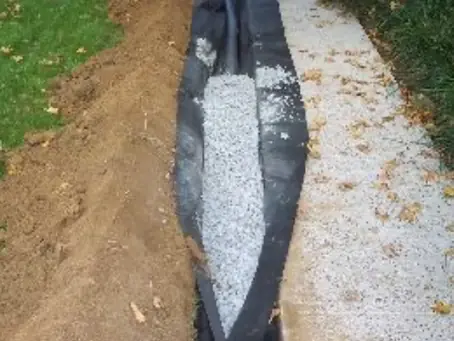
A French drain is a simple trench filled with gravel that houses a perforated pipe. This setup redirects water away from areas where it tends to pool, sending it to a safer spot on your property.
What’s the Point of a French Drain?
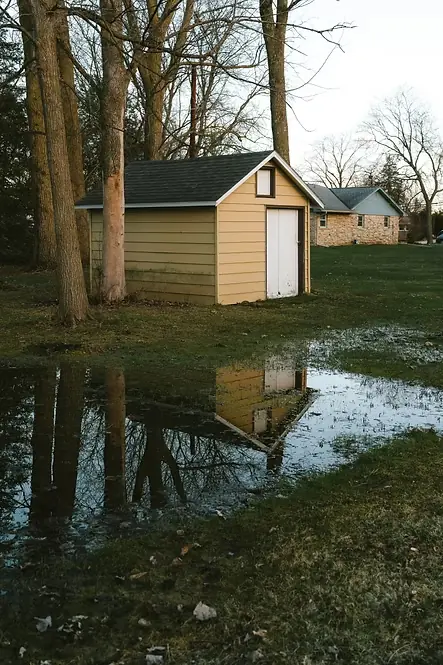
Basically, it’s all about moving water. If rainwater hangs around your foundation or you’ve got standing water in low areas of your yard, that extra moisture can cause big headaches. A French drain channels water underground, keeping it away from places where it can do damage.
Benefits You’ll Notice
- Keeps Your Yard Usable. No more muddy messes after every rainstorm.
- Protects Your Foundation. Less water sitting around means less risk of cracks or leaks in your basement or crawl space.
- Cuts Down on Erosion. Redirecting water flow stops it from washing away your soil or landscaping.
How Does a French Drain Work?
A French drain works by utilizing gravity to move water away from your home. When rain falls, the water flows into the trench filled with gravel. The perforated pipe collects the water and directs it away from your foundation. This process helps prevent water from pooling and causing damage.
Installation Process
Installing a French drain involves several steps:
- Planning the Drainage System. Determine where the water is pooling and where you want to redirect it.
- Digging the Trench. A trench needs to be dug at a slight slope to ensure proper drainage.
- Adding Gravel. Fill the trench with gravel, leaving space for the perforated pipe.
- Placing the Pipe. Lay the perforated pipe in the trench, ensuring the holes face downwards.
- Covering with More Gravel. Add more gravel on top of the pipe and cover it with soil.
Maintenance Tips
To keep your French drain functioning properly, regular maintenance is essential. Here are some tips:
- Clear Debris. Regularly check for leaves, dirt, or other debris that may block the drain.
- Inspect the Pipe. Ensure the perforated pipe remains clear and free of clogs.
- Check for Settling. Over time, the gravel may settle. Refill as necessary to maintain proper drainage.
If you’re constantly battling wet spots or worried about water seeping into your home, a French drain is a smart, long-lasting solution. Want to know if your property could use one? Contact us today for a free assessment.
Conclusion
In conclusion, a French drain is an effective way to manage water drainage on your property. It protects your home, keeps your yard usable, and prevents erosion. If you’re experiencing issues with water pooling or basement leaks, consider installing a French drain. It could save you from costly repairs in the future.
By investing in a French drain, you’re taking proactive steps to protect your property. Don’t let water damage disrupt your life. Reach out for a consultation and take control of your drainage issues today!